
Insight Turkey
Insight Turkey
Challenging ideas
On Turkish politics and International affairs

Insight Turkey > Articles |

From Operator’s to AI’s Control: Assessing the Killer Drones Future Role in Warfare

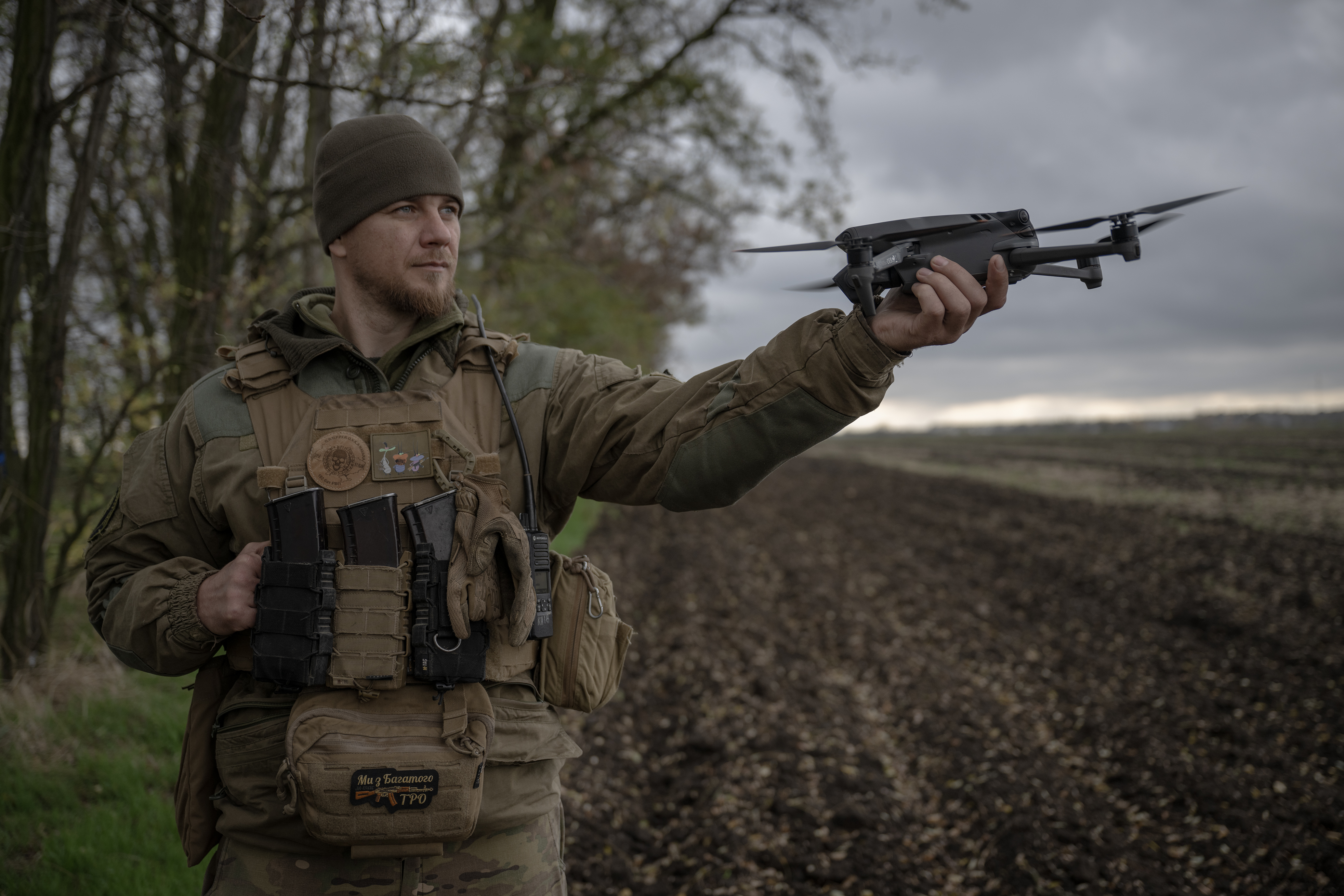
Although the nature of war remains the same, its characteristics have been dynamic throughout history. One of the most significant factors contributing to this dynamism is technology. Every technological advancement introduced to the battlefield has brought and continues to bring striking changes to the conduct of conflicts. In particular, the impact of autonomous weapons and unmanned vehicles has highlighted the need for a more comprehensive reconsideration of warfare. The integration of AI into these systems takes the concept of war to an entirely new dimension. Accordingly, this study will discuss the implications of AI-supported killer drones. Currently these drones are expected to make fewer errors than operator-controlled ones in processes such as target identification, real-time and continuous tracking, high-accuracy neutralization, and evading counterattacks. Consequently, the use of AI-enhanced systems has been analyzed in terms of their pressure on adversaries and the countermeasures they might provoke. The study referenced the concrete example of the Ukraine-Russian war, where killer drones have been deployed, facilitating a more tangible discussion and addressing the potential transformations AI could bring to future warfare.

From Operator s to AI s Control Assessing the Killer


Introduction


Technological advancements are undoubtedly the most significant factor compelling a transformation in the nature of military engagements. These advancements have introduced weapons and tools previously unseen on the battlefield, enabled more precise planning and strategic coordination, and altered the scale of inflicted and sustained damage in line with military capacity. Contemporary military confrontations must therefore also be interpreted as a race for technological superiority. While technology is not necessarily a direct determinant of the outcome of wars, it is clearly a factor that warrants serious consideration.

Among the many technological tools and weapons emerging on the battlefield, it is particularly important to highlight unmanned systems as the most striking developments of the current era. The presence of unmanned vehicles operating on land, in the air, and at sea has introduced new dimensions to military engagements. The absence of direct human involvement in combat, when compared to conventional warfare, can even be considered revolutionary. In particular, the deployment of unmanned aerial vehicles (UAVs) has necessitated a fundamental reassessment of offensive, defensive, and surveillance strategies. UAVs, available in various capacities and capabilities and categorized as either armed or unarmed, have become a cornerstone of the modern defense industry. As autonomous weapon systems are increasingly incorporated into military arsenals, the presence of drones in the skies has grown markedly.

Already have an account? Sign In.
Print Subscription
4 Print Issues
Subscribe
Digital Subscription
4 Digital Issues
Subscribe
Premium Subscription
4 Print Issues
4 Digital Issues
Subscribe

Labels »  

We use cookies in a limited and restricted manner for specific purposes. For more details, you can see "our data policy". More...