
Introduction1
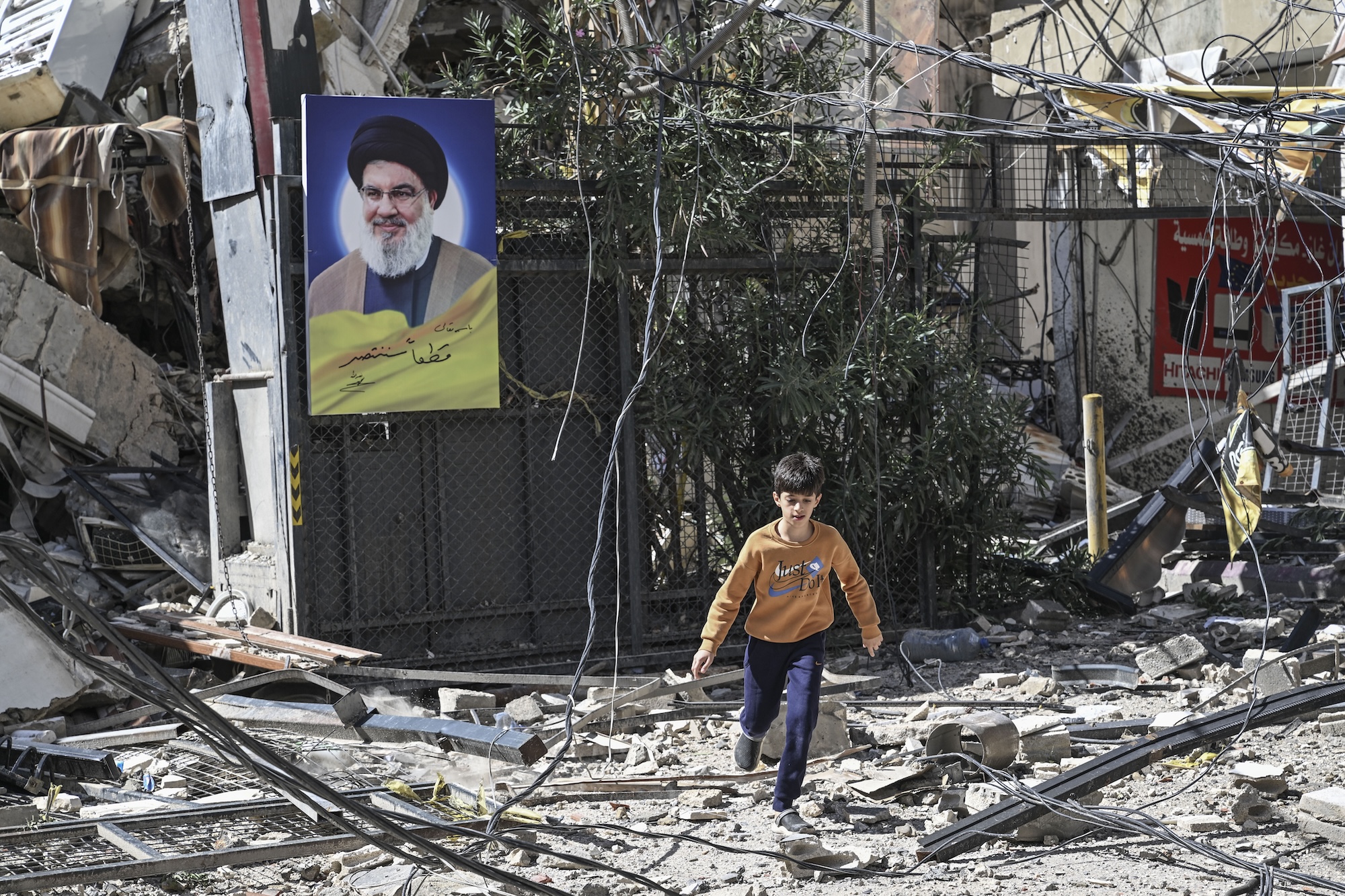
On October 7, 2023, the Middle East witnessed a significant escalation in the Palestinian-Israeli conflict, triggering a series of responses from various regional actors. Among them, Hezbollah’s decision to adopt a gradually intensifying war strategy against Israel, rather than a full-scale war, has garnered considerable attention. Following Operation al-Aqsa Flood, Hezbollah initiated attacks against Israel that resulted in significant developments over subsequent months. The conflict escalated with large-scale Israeli assaults targeting Hezbollah, including assassinations of senior figures such as Hassan Nasrallah and Hashem Safieddine. Israel also inflicted damage by destroying communication infrastructure essential to Hezbollah’s operational capabilities. During the 57-day ground incursion into Lebanese territory, Hezbollah, despite incurring heavy losses, mounted significant resistance, successfully halting Israeli advances and preventing any meaningful territorial gains. Ultimately, the war relatively ended with a ceasefire. By the time Israel intensified its attacks in September, Hezbollah’s losses were estimated to be around 500 fighters.2 However, the exact number of casualties sustained during the subsequent ground and air operations remains uncertain. Overall, it is estimated that Hezbollah lost approximately 5,000 fighters throughout the conflict. Hezbollah’s strategy in this war, which initially began with low-intensity actions and gained momentum over time, appeared focused on dividing the attention of the occupation forces by opening a northern front. In doing so, Hezbollah aimed to divert Israel’s full military focus away from Gaza and to alleviate the pressure on Palestinian resistance groups.