
Introduction
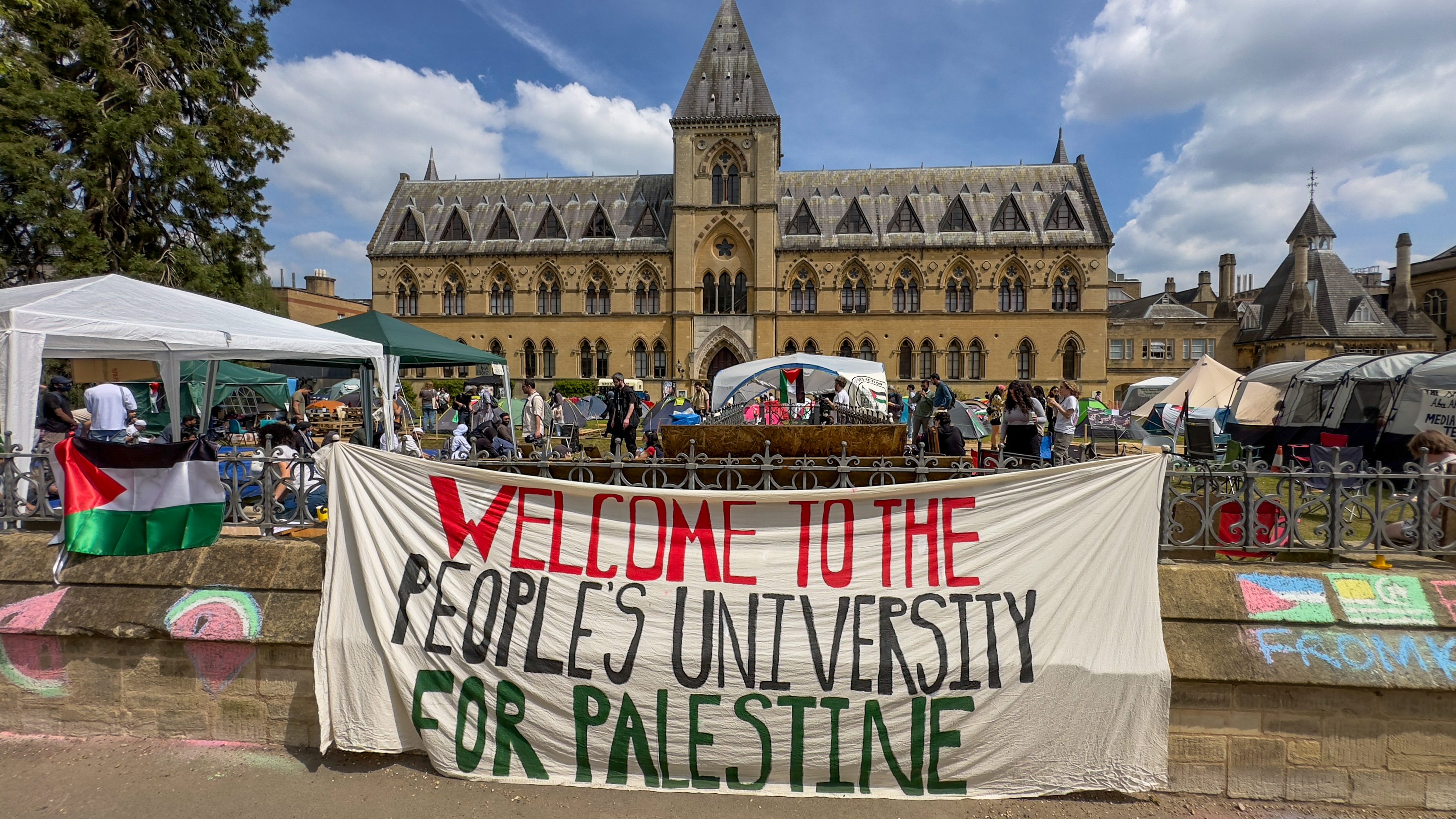
Academic freedom, the liberty of scholars to pursue knowledge, engage in intellectual debate, and freely disseminate their findings without fear of censorship or retaliation, is a fundamental pillar of higher education.1 Academic freedom and critical thinking have undoubtedly been essential to freedom of speech and are therefore among the core values that made the “West.” However, these principles have often been challenged by geopolitical conflicts, and the ongoing Israeli-Palestinian conflict is a prime example. As casualties in Gaza are increasing, concerns are growing over the erosion of civil liberties in Britain. When it comes to Israel, discussions often center around its “right to defend itself” and “Israeli exceptionalism.” The claimed uniqueness of Israel has been used as a justification for its illegal actions. In the words of Edward Said, Israel is unique in the world for the excuses made on its behalf.2 However, Israel’s repeated defiance of international systems, organizations, and humanitarian values, as seen in Gaza, has led the international public to question this exceptionalism.3 Critics argue that the discourse of Israeli exceptionalism has served as a shield that aimed to escape from accountability and that Israel should be held to the same international legal and ethical standards as other nations. Needless to say, these critics have often been accused of being anti-Semitic. The misuse of anti-Semitism as a shield for Israel’s policies in Palestine and for human rights violations driven by Zionist ideology, rather than addressing it as a hate crime, is a critical issue that needs to be addressed.4 Interpreting all of human history through the lens of Jewish “victimhood” and “deportation,” placing the Holocaust above all sufferings and using anti-Semitism as a shield to legitimize Israel’s expansions, and the ongoing occupation and genocide in Palestine are contentious issues that need critical examination. These factors hinder the healthy use of freedom of thought and expression.