
Insight Turkey
Insight Turkey
Challenging ideas
On Turkish politics and International affairs

Insight Turkey > Commentaries |

The Hollow Promise of Recognition in the Shadow of the Genocide in Gaza

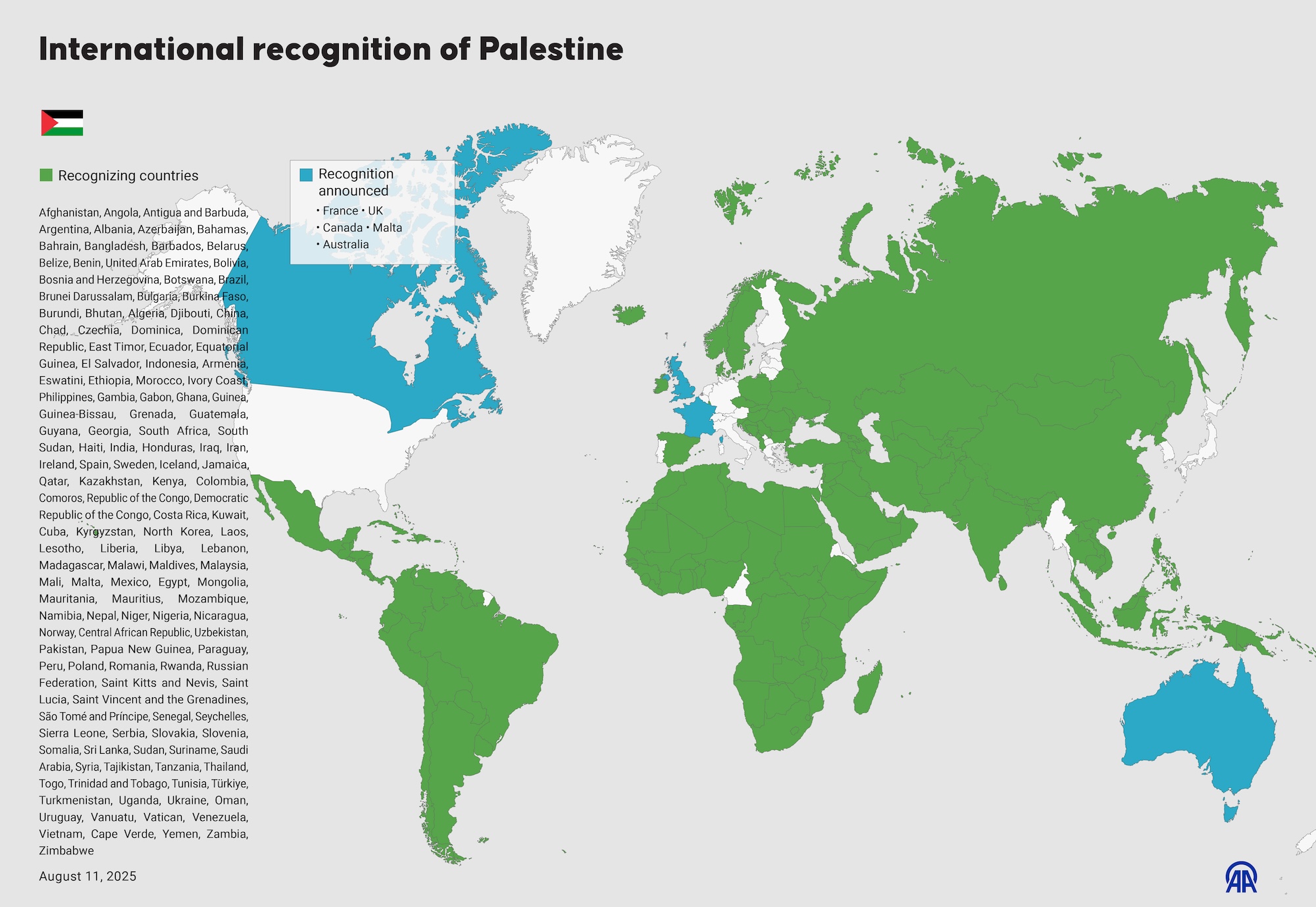
The recent wave of recognition of the Palestinian state comes at a moment when an unprecedented combination of Zionist settler-colonial eliminatory practices, including ethnic cleansing, urbicide, territorial appropriation, and genocide, threatens the very existence of the Palestinian people. This piece argues that such recognition is hollow, as it entails virtually no concrete measures to safeguard the people and territory, the two essential pillars of any statehood, of the purported Palestinian state. The terms of recognition bring the Palestinian people no closer to genuine freedom, self-determination, or sovereignty. Rather than compelling Israel to end the ongoing genocide, territorial appropriation, and systematic dispossession of the Palestinian people, this framework effectively rewards it through regional normalization while simultaneously undermining Palestinians’ moral and legal right to resist settler-colonialism and pursue their freedom. In practice, such recognition functions as a diplomatic gesture that provides political cover, diverting attention from the urgent need to terminate the Zionist settler-colonial project and its ongoing crimes against humanity, war crimes, and genocide.

The Hollow Promise of Recognition in the Shadow of the


Introduction


It is profoundly disconcerting that Western states are reinvigorating the peace process and two-state solution discourse by extending diplomatic recognition to a potential Palestinian state at a moment when the very existence of its people and land is imperiled by a myriad of settler-colonial eliminatory practices, including systematic territorial appropriation, urbicide, ethnic cleansing, and genocide. Recognition, without concrete measures to safeguard the two fundamental pillars of statehood, people and territory, amounts to a hollow and deceitful promise.

This paradox is not new. Current gestures of recognition mirror earlier moments when Palestinians were drawn into the poisoned politics of the peace process to undermine their struggle for liberation, particularly the popular Palestinian Stone Intifada that erupted in 1987. The Palestinian Liberation Organization (PLO) seized the momentum then to officially transition from resistance and liberation to diplomacy and statehood on 22 percent of historic Palestine, which Yasser Arafat declared independent in November 1988 and was recognized by approximately 80 countries soon after.

The PLO’s recognition of Israel and abandonment of the agenda of liberation were the preconditions for entering into public and secret negotiations with Israel. In 1993, secret talks culminated in the signing of the Oslo Accords between the PLO and Israel, whereby the latter recognized the former as the representative of the Palestinians in exchange for the PLO’s recognition of Israel’s “right to exist in peace and security” and its sovereignty over 78 percent of Palestine.1

This

Already have an account? Sign In.
Print Subscription
4 Print Issues
Subscribe
Digital Subscription
4 Digital Issues
Subscribe
Premium Subscription
4 Print Issues
4 Digital Issues
Subscribe

Labels »  

We use cookies in a limited and restricted manner for specific purposes. For more details, you can see "our data policy". More...