
Insight Turkey
Insight Turkey
Challenging ideas
On Turkish politics and International affairs

Insight Turkey > Articles |

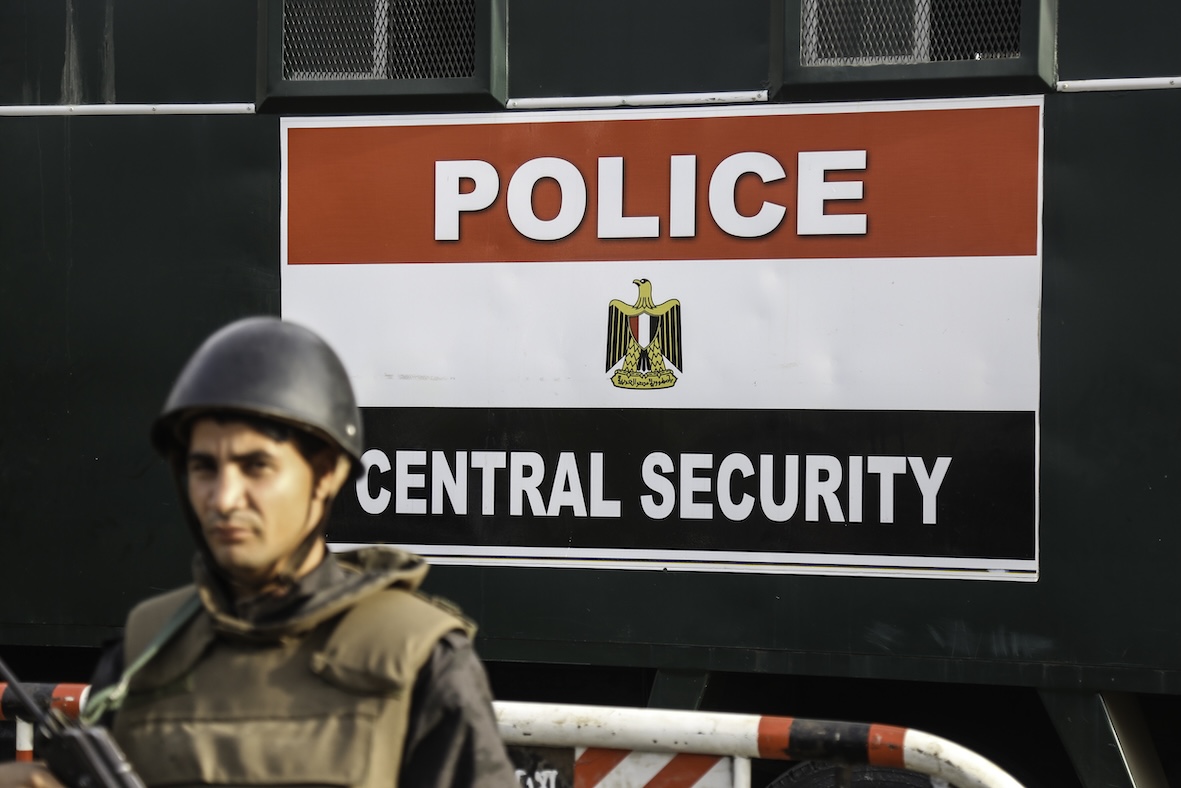
The Role of Central Security Forces in Supporting Authoritarian Regimes in Egypt (1969-2011)

The paramilitary forces known as the “Gendarmerie” emerged as a novel mechanism for societal control following the French Revolution. In Egypt, Gamal Abdel Nasser instituted the Central Security Forces (CSF) in 1969, drawing inspiration from the French Gendarmerie model, in response to mass protests. However, he developed it to suit the security needs in Egypt, where its operation expanded to include both urban and rural areas, not just rural areas as in France and Türkiye. After President Nasser’s unexpected death in 1970, his deputy, Anwar Sadat, assumed power. During his tenure, the CSF underwent two significant developments. After the assassination of former President Sadat in 1981, President Mubarak restructured the CSF and deployed it across Egypt to ensure the regime’s ability to confront any local threats that might endanger it. Nevertheless, the CSF failed to quell the protests of January 2011 and collapsed, which contributed to Mubarak stepping down from his position. This article investigates the role of the CSF in sustaining Egypt’s authoritarian regimes from 1969 until the 2011 uprising. It delves into the key internal and external factors behind the CSF’s formation and evolution while also analyzing the crucial circumstances that affected the forces’ performance during the 2011 revolution.

The Role of Central Security Forces in Supporting Authoritarian Regimes


Introduction


With the spread of gendarmerie forces, there has been growing interest in studying them within the theoretical and conceptual framework focused on the state. This interest includes examining how the state enforces new forms of discipline within society in response to economic and social unrest, as well as assessing the impact of internal security structures on the continuity or downfall of government authority.

The paramilitary forces known as “Gendarmerie” emerged as a new form of societal control after the outbreak of the French Revolution. It served as a tool to expand the state’s bureaucratic control and strengthen its hegemony, particularly in rural and remote areas, and to address disturbances without the need to deploy the military locally, thereby reducing the risk of military coups. Additionally, there were economic benefits related to the limited financial resources required to recruit an effective paramilitary force compared to professional military forces.1 The gendarmerie has emerged as an intermediary model bridging the gap between professional armed forces equipped with heavy weaponry and the police, serving as a civilian security apparatus. It was established as a nimble, well-armed security force possessing military capabilities without being directly affiliated with the armed forces. However, its members received military training, lived in barracks, and were subjected to military jurisdiction.2

Already have an account? Sign In.
Print Subscription
4 Print Issues
Subscribe
Digital Subscription
4 Digital Issues
Subscribe
Premium Subscription
4 Print Issues
4 Digital Issues
Subscribe

Labels »  

We use cookies in a limited and restricted manner for specific purposes. For more details, you can see "our data policy". More...