
Insight Turkey
Insight Turkey
Challenging ideas
On Turkish politics and International affairs

Insight Turkey > Articles |

The Sursuk Family and Land Dealings in Ottoman Palestine: A Historical Perspective (1890-1920)

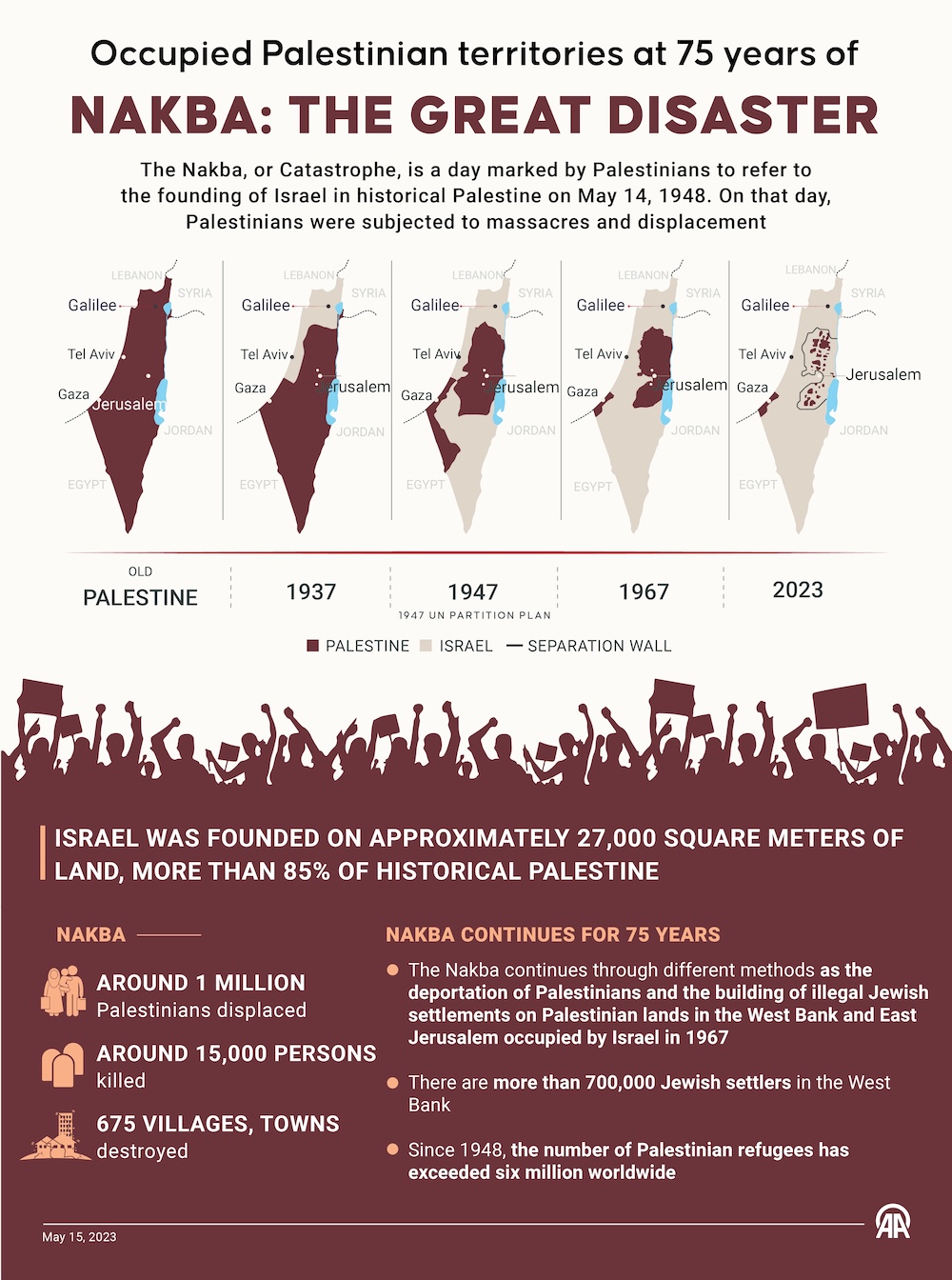
In the late 19th century, the Jewish migration to Palestine had a wide range of political, economic, and social impacts that have continued to the present day. The belief of the Jews that the land of Palestine was promised to them constituted one of the principles on which the migration movement was based and one of the main factors that motivated migration. The Zionist Community’s backing was a major factor in the background of Jewish immigration to Palestine of the Ottoman Empire. One of the activities of this Zionist organization in Palestine was to purchase the land on behalf of the Jews through the Sursuk family, one of the rich landowners of the region. By selling the properties they held in Palestine to Jewish settlers, the Sursuks contributed to the permanent settlement of Jews. This article will examine the Sursuk family’s involvement in the sale of Palestine to Jews, considering Ottoman Archive documents. These documents, which cover the years 1890-1920, provide details on how Palestinian territories were sold to Jewish settlers via the Sursuks. This study also aims to understand the overall picture of land sales by touching upon the multidimensional regional/international cooperation established by the Sursuk family.

The Sursuk Family and Land Dealings in Ottoman Palestine A


Introduction


The Sursuk1 are a Lebanese Greek Orthodox family, one of Beirut’s most respected and well-established dynasties. The family’s origins can be traced back to the 13th century in Byzantine Constantinople. Following the conquest of Constantinople in 1453, the family settled in Mersin and later moved to Barbara, which is now part of Lebanon. From 1714 onwards, they were known to live in Beirut.2 By the late 18th century, the Sursuks were one of Beirut’s most prominent commercial families, exporting grain from the Eastern Mediterranean to England and importing textiles from Europe for the Middle Eastern markets. These commercial activities allowed the Sursuk family to quickly advance through the Beirut aristocracy and establish close trade relations with wealthy merchants from the Ottoman Empire, France, and Italy.3

Already have an account? Sign In.
Print Subscription
4 Print Issues
Subscribe
Digital Subscription
4 Digital Issues
Subscribe
Premium Subscription
4 Print Issues
4 Digital Issues
Subscribe

Labels »  

We use cookies in a limited and restricted manner for specific purposes. For more details, you can see "our data policy". More...