
Introduction
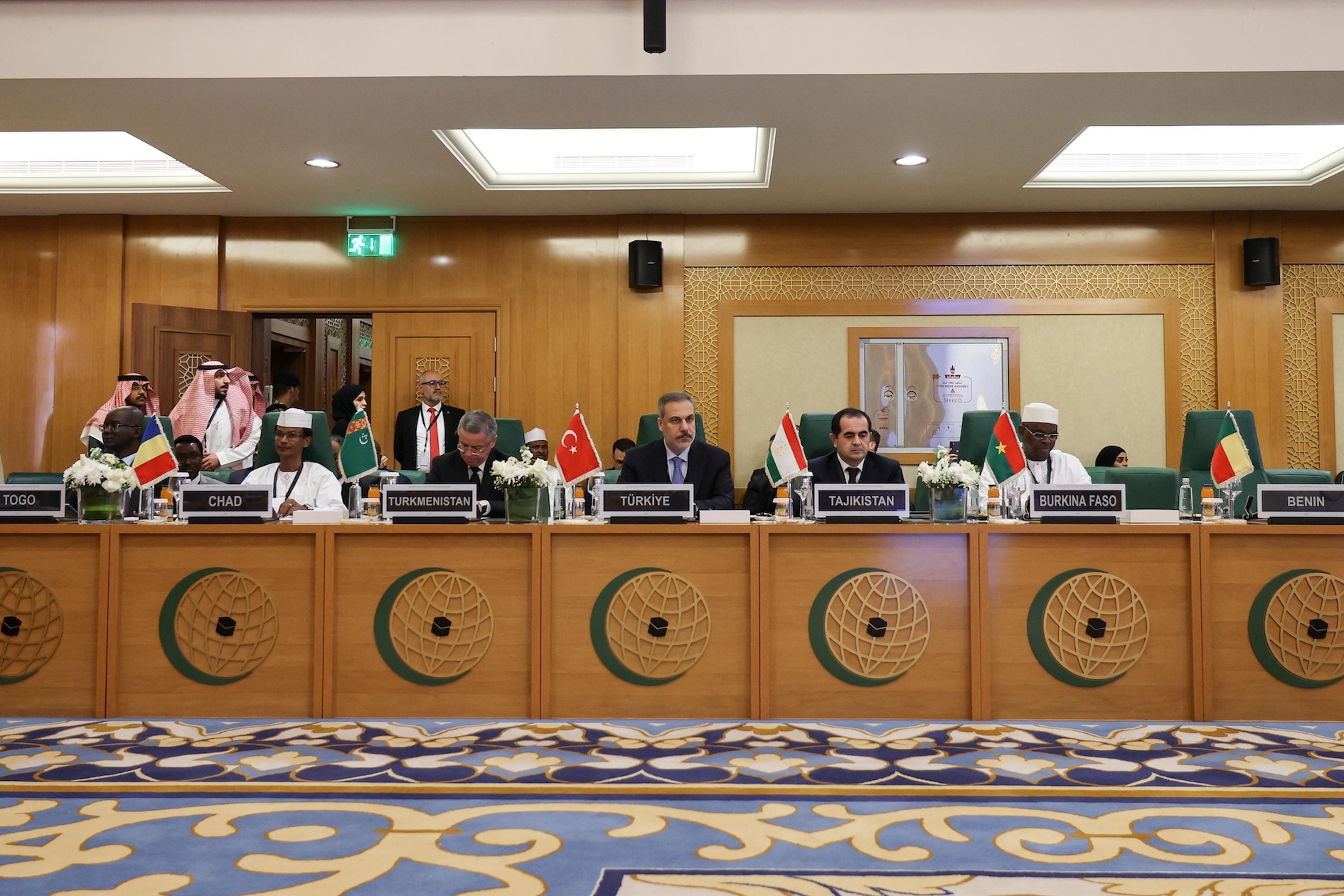
International organizations play critical roles in global politics that are as significant as, and at times even more influential than, nation-states. To mitigate the adverse effects of fragmentation in regional and global systems and to promote cooperation on the international stage, states have come together to establish various umbrella organizations. Historically, numerous initiatives have been undertaken to establish a structure that would ensure the representation of the Islamic world at the international level. In this context, the establishment of the Organization of Islamic Cooperation (OIC) marks a significant milestone in the representation of the Muslim world.
The OIC’s role in international politics can be analyzed through different theoretical lenses in international relations. Neoliberal institutionalists argue that despite its geopolitical divisions, the OIC serves as a platform for economic cooperation, policy coordination, and diplomatic engagement, reducing transaction costs and fostering interdependence among member states. Constructivist scholars highlight the OIC’s emphasis on Muslim identity (Islamic Ummah) as a unifying factor, arguing that shared religious and cultural values contribute to its legitimacy. However, realist critiques suggest that the OIC lacks the enforcement mechanisms necessary to function as a cohesive geopolitical actor, with its influence often constrained by power asymmetries between leading states like Türkiye, Saudi Arabia, Egypt and Malaysia. Understanding these theoretical perspectives provides deeper insight into both the opportunities and limitations of the OIC as an international organization.